Heirloom Terroirs: Preserving Ancient Fermentation Cultures
An expedition into remote valleys where indigenous yeasts, earthenware amphorae, and heritage varietals defy modern monoculture.
Monograph Navigation
Modern industrial gastronomy has spent a century engineering uniformity: uniform sweetness, predictable acidity, and standardized shelf longevity. Yet in remote volcanic valleys, a dedicated cohort of vintners and food crafters is fighting to preserve the living unpredictability of wild biology.
We spent a week with Master Cellarman Mateo Cruz, who manages an ungrafted hillside parcel planted before the phylloxera epidemic. The soil here has never absorbed synthetic fertilizers; it teems with earthworms, mycorrhizal networks, and indigenous botanical roots.
Clay, Porosity, and Deep Cellars
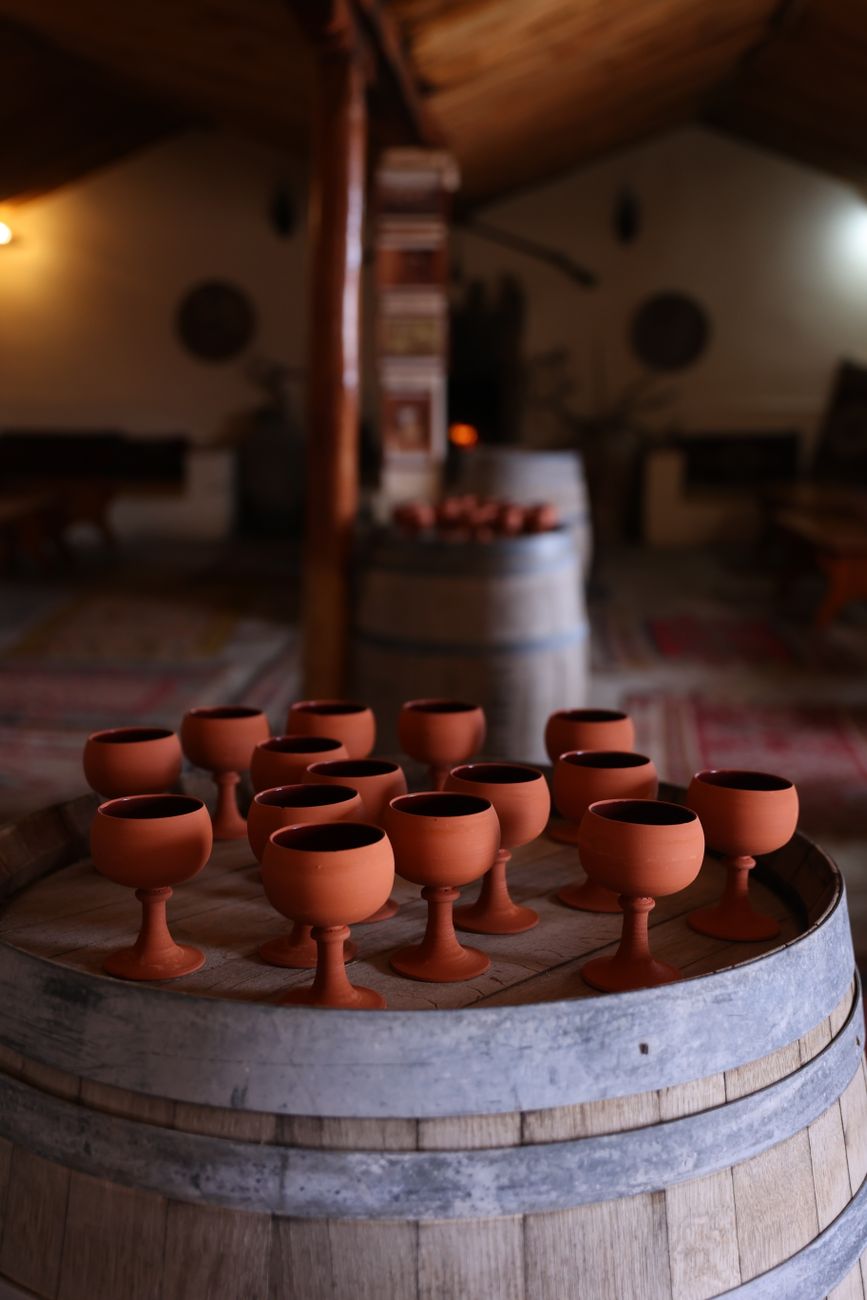
Rather than new oak barrels that impart dominating vanilla compounds, Cruz ferments whole grape clusters inside unglazed terracotta urns buried directly into volcanic tuff. The earth keeps cellar temperatures stable regardless of seasonal heatwaves above ground.
As wild ambient yeasts conduct fermentation over months, micro-oxygenation occurs naturally through the clay pores. The resulting beverage is neither predictable nor easily categorized; it tastes of crushed granite, wild thyme, and dark forest cherries.
“To consume an authentic heirloom ferment is to ingest the ecological autobiography of a specific parcel of land during a single annual cycle.”
Culinary Memory at the Communal Table
In nearby stone kitchens, fermentation extends far beyond viticulture. Cabbages are cured in brine crockpots, wild river trout are salted with mountain herbs, and sourdough starters maintained for over eighty years yield loaves with deep, complex crusts.
In documenting these techniques, 111111 aims to assist in the preservation of living cultural heritage. By introducing mindful readers to small producers, we help ensure these ancestral traditions remain economically viable for generations to come.
Culinary Field Dossiers
Commission a specialized regional culinary itinerary outlining heritage markets, micro-vineyards, and private tasting tables.
Contact Culinary Editor